

This week’s Build features an article I wrote for Extra Brain‘s Founder’s Block newsletter earlier this month. If this is your kind of thing, you can get regular insights from the talented bunch of people (and me) at Extra Brain by subscribing to the Founder’s Block newsletter here.
I’m a consultant. People come to me with problems. Or at least they think they do.
But really what they come with are the symptoms of their problems.
Take for example a recent project I did with a founder who was convinced their customer churn problem was about price. He’d seen competitors were undercutting their premium pricing and people weren’t renewing their contracts. A pricing problem.
Except it really wasn’t. After some review work we uncovered the real problem was buried three layers deeper in their onboarding process where an important feature wasn’t being explained properly, so usage was low.
A small friction point that seemed trivial but was causing customers to never properly embed the product into their own workflows. They’d then drift away a year later at renewal and everyone had assumed it was about money. That became the accepted truth.
I so wanted that founder to have been more curious earlier. He should have asked more questions before accepting the obvious answer.
This is a pattern that keeps happening which got me thinking about why that might be.
As humans we rely on our experience to navigate complexity. It’s natural. Our experience is supposed to be our greatest asset. It’s what lets us pattern match quickly and make good decisions under pressure.
But the tricky truth is that at the same time our experience often leads us astray.
There’s a brilliant book I read by psychologists Emre Soyer and Robin Hogarth called The Myth of Experience. It explores why our life experience that we rely on most often leads us to make flawed decisions.
The central argument is simple. Our experiences shape who we are and how we work. They strongly influence how we perceive those around us and our interactions with them.
But we place too much emphasis on what we’ve seen before. And in doing that we miss what’s actually happening now.
One distinction in the book really sticks with me. The authors talk about two types of learning environments: kind and wicked.
Kind learning environments are predictable. There are recurring patterns, clear rules and constrained variables. When you make a change, you get immediate and obvious feedback.
Everyone knows how it works so if you change something you can reliably predict what happens next. Cause and effect are tightly coupled.
These are environments where experience genuinely compounds. When founders do something enough times and they get better at it. The feedback loop is tight enough that they can actually learn from what happens.
But here’s the thing: those environments are pretty rare in start-ups and scale-ups.
Instead founders operate in what Soyer and Hogarth call ‘wicked learning environments’.
In wicked environments the information they need is hidden. Feedback from decisions arrives late, infrequently or not at all. Sometimes it’s so confusing they can’t even tell if what they did worked or not.
For example you hire a new MD and six months later the team culture has shifted for the worse. But was it that hire? Or the proposition pivot you made at the same time? Or the fact that three other people left around then? Or the market conditions that changed?
Good luck isolating the signal. It’s just not going to happen.
If that sounds familiar it’s going on pretty much every day for founders growing their businesses. You make a call about hiring, product direction or go-to-market strategy and the real consequences don’t show up for months. And by that time you’ve made fifty other decisions and can’t isolate cause from effect.
For me this is why curiosity matters so much.
What I’ve noticed working with founders navigating these wicked environments is that the ones who thrive share a common trait: they’re relentlessly curious about what’s happening in and around their businesses.
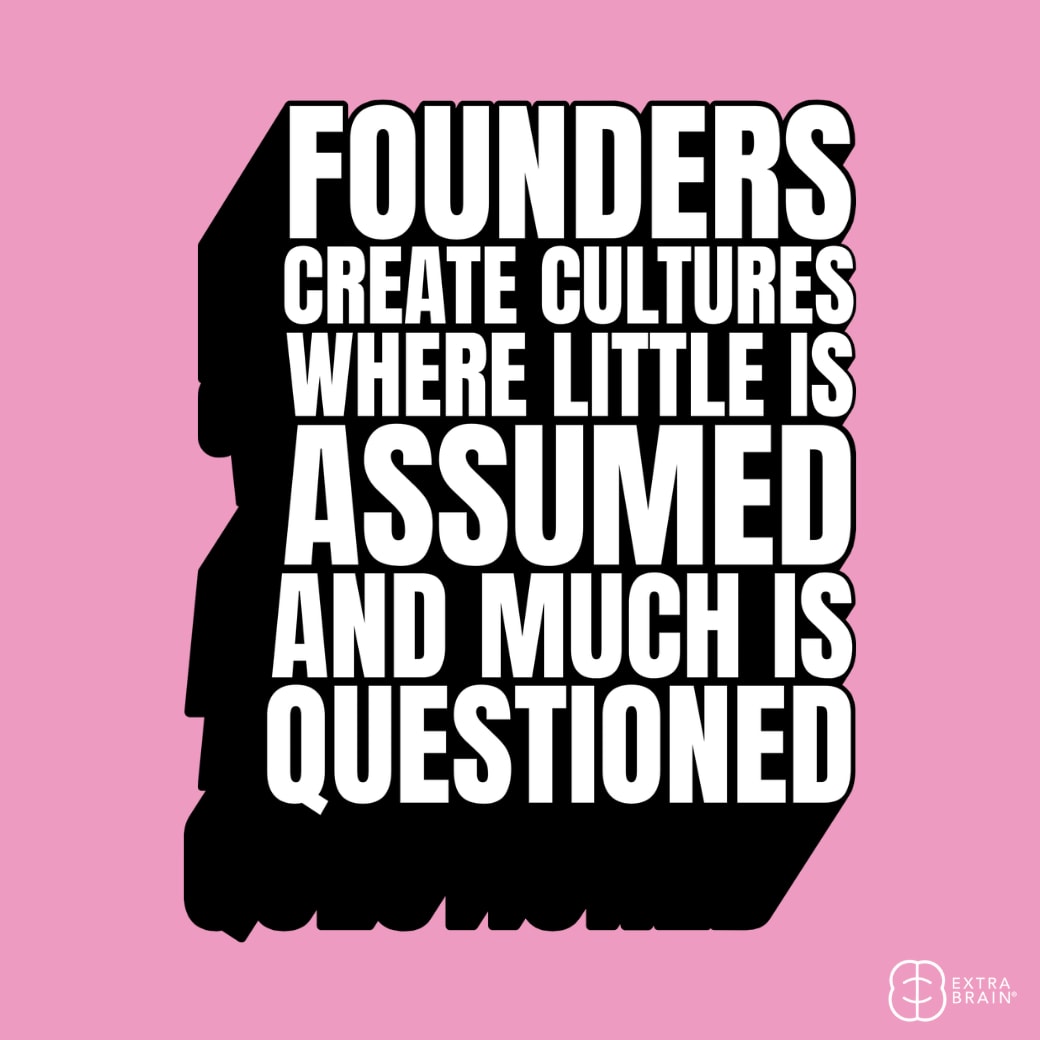
They don’t take things at face value. They create cultures where little is assumed and much is questioned. Unsaid assumptions get dragged into the open. Previously accepted wisdom gets examined with fresh eyes and rigour.
And there’s solid academic research backing this up too. The very best founders develop an instinct for when to deploy curiosity. They know when to accept prior wisdom and move on. They also know when something deserves deeper investigation.
It’s a kind of intellectual agility that prevents them getting stuck on particular decisions while still moving fast enough to make progress.
But this isn’t about being curious about everything all the time as that leads to analysis paralysis.
It’s about developing a sense for when your experience might be misleading you. When the obvious answer might be wrong. When you need to dig deeper rather than pattern match from what you’ve seen before.
The founders I see struggling are often the ones who’ve had success before. They’ve built something that worked, exited and now they’re building again. They (think they) know how this all works.
Except they don’t. Because this business isn’t that business. This market isn’t that market. This team isn’t that team. I could go on.
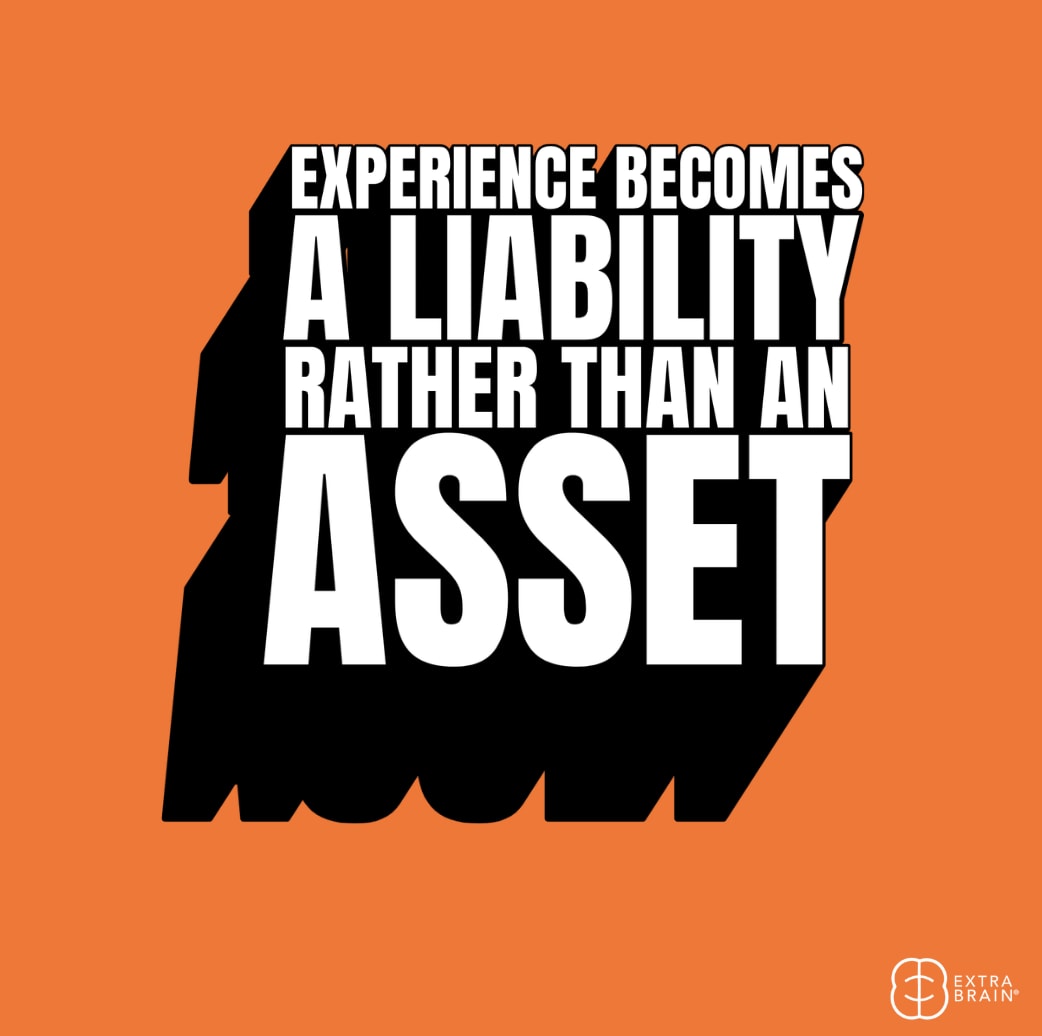
Their experience becomes a liability rather than an asset until they realise that fact. Seeing patterns that aren’t there means they miss signals that don’t fit their prior mental model of how things work.
My absolute favourite tool for putting curiosity into practice is so simple that people look at me strangely when I teach it – it’s the Five Whys.
It came originally from Toyota’s manufacturing process but it works brilliantly in wicked learning environments too.
Get the right group of people with diverse perspectives together around a particular problem. Ask “why?” five times in a row. You’ll uncover insights you’d never have spotted.
Here’s how it might play out with that founder’s churn problem:
“Why are customers leaving?”
“Because competitors are cheaper.”
“Why does that matter to them?”
“Because they’re not seeing enough value to justify our pricing.”
“Why aren’t they seeing the value?”
“Because they’re not using the advanced features that really differentiate our product.”
“Why aren’t they using those features?”
“Because they don’t discover them during onboarding.”
“Why don’t they discover them?”
“Because our onboarding focuses on getting them up and running quickly, not on showing them the full capability.”
See what happened there? We went from “it’s a pricing problem” to “it’s an onboarding problem” in five questions.
The first answer (pricing) came from experience. It’s what everyone assumes when customers leave for competitors. The real answer (onboarding) only emerged through curiosity.
It works because it forces you past the surface level explanation that your experience immediately suggests. And once we’re beyond that we’re into the messier, more interesting territory underneath.
But curiosity needs protecting.
In the chaos of scaling, it’s the first thing that gets squeezed out. You’re firefighting, making rapid decisions and moving fast. Who has time to ask five whys about everything?
Which I believe is precisely why you need to be deliberate about creating space for it.
I see founders who say they value curiosity but whose calendars tell a different story. They have no time to think, let alone to question.
And then they wonder why they keep making the same mistakes. Why are they surprised by problems that were obvious in hindsight.
Here are some practical ways I’ve seen founders protect space for curiosity:-
Blocking time for curious conversations is better rather than waiting for them to happen organically. They won’t. Put “a learning walk” in your diary every week with a different team member. Make it non-negotiable.
Rewarding people who challenge assumptions publicly is also interesting, even when the challenge turns out to be wrong. You’re signalling that the behaviour matters more than being right every time. Founders who feel threatened by challenge struggle with this but being brave enough to be OK to be challenged publicly pays dividends.
I love asking founders “what would need to be true for this to be wrong?” about their own strongly held beliefs. It forces them to examine their thinking rather than just defending it. I sometimes do this in leadership team meetings. When someone (including me) is 100% certain about something, I create the space for the team to pause and explore what would need to be true for the opposite to be right.
Bringing in outside perspectives regularly can be valuable (I recognise you’d expect me to say this as a consultant). But I genuinely believe people who don’t share your context or experience will spot things you can’t see. This might be advisors, non-execs or just random smart people from different industries. Their naïve questions are often the most valuable.
I also like to create organisational rituals around reflection. Things like monthly retrospectives where you explicitly examine what assumptions turned out to be wrong. Or quarterly strategy sessions where you question the fundamentals rather than just tweaking the plan.
The irony is that curiosity feels slow when you’re in a hurry to grow.
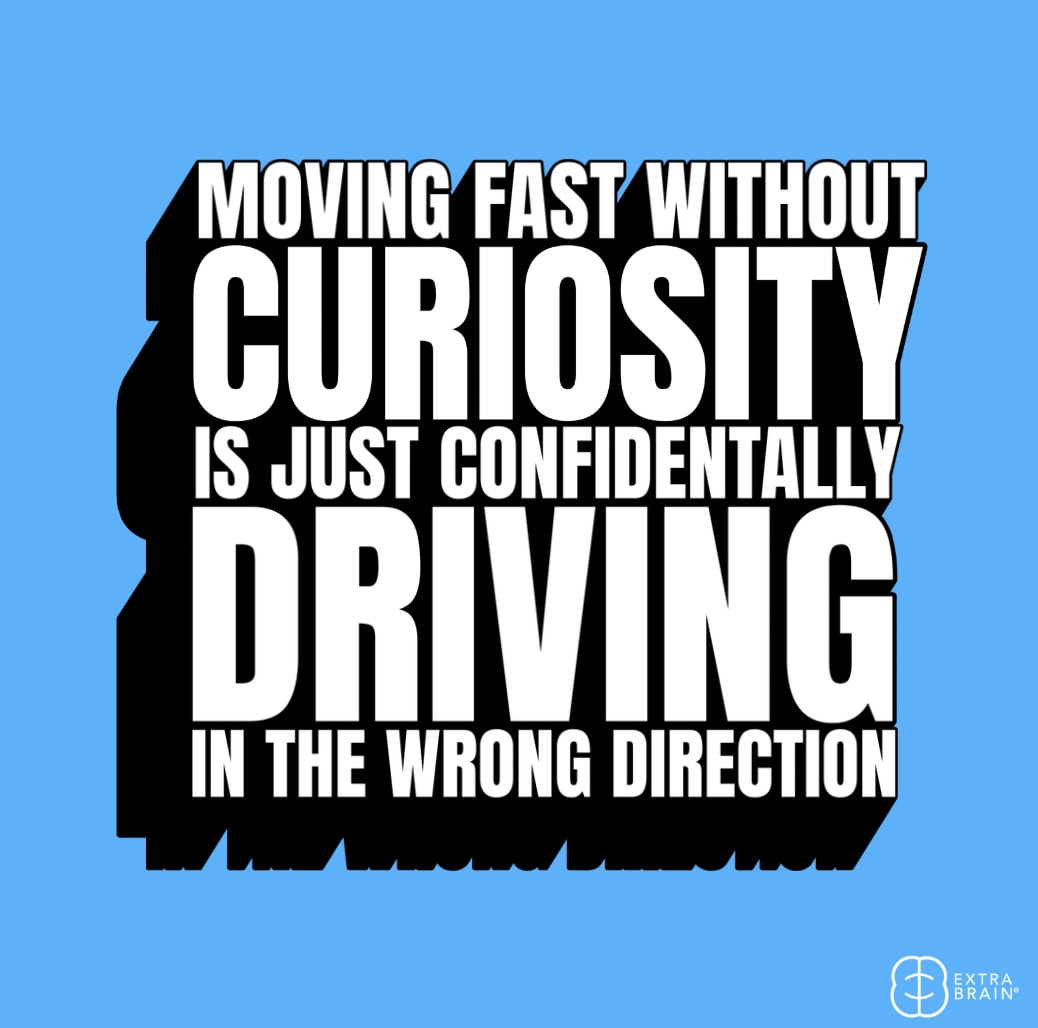
But in wicked learning environments, moving fast without curiosity is just confidently driving in the wrong direction.
You might get there quicker. But you’ll arrive at the wrong destination.
From the Build archive
Build #12 –
Process isn’t boring
How to use process to scale better without losing the entrepreneurial essence of your business.
Build #17 –
Systems thinking in scaling business
A primer on systems thinking for founders.
Get more like this from Simon in your inbox
Build ditches startup hype to deliver raw, practical wisdom for founders about leading high growth businesses. Just straight talk from a fractional COO who’s seen every mistake, every shortcut and every hard truth founders have to face between start-up and scale-up.
“Great email. Thanks. It’s like you can see into the heart of my organisation. Sometimes what you send it so bloody timely it’s scary.”
“Timely and pertinent once again. I honestly don’t know how you do it!”
Join more than 1,000 founders learning how to scale without losing their minds, their team or their company culture.
Sign up now to get Build in your inbox.